Blog
Is Wild Ginger a ‘Garden Invader’? Or Valuable Medicine?
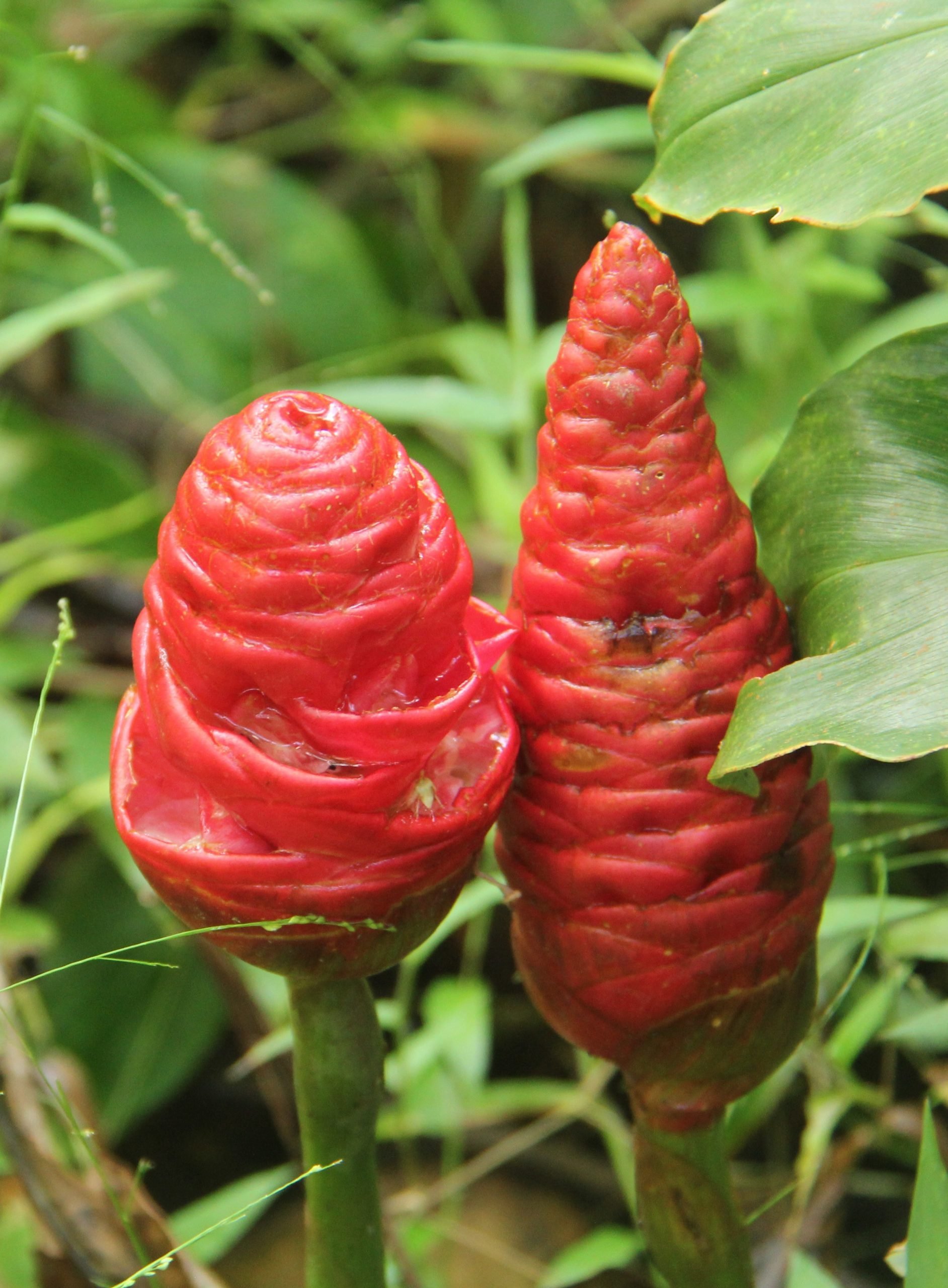
Zingiberaceae, Wild Ginger is a perennial, aromatic and tuberose plant that grows in humid locations. Also known as bitter ginger, Z. zerumbet is traditionally found throughout Asia, where it is widely used in foods, beverages and for ornamental purposes. The viscous juice present in the inflorescence of the plant is rich in surfactants and is also known as “ginger shampoo”. The rhizome can be macerated in ethanol and used as a tonic and a stimulant. The main chemical compounds found in Z. zerumbet are terpenes and polyphenols. Zerumbone, a sesquiterpene, is the principal bioactive compound of Z. zerumbet and it is widely studied for its medicinal properties. The extracts and isolated metabolites of Z. zerumbet have exhibited the following properties: anti-inflammatory, antioxidant, antidiabetic, anticancer, antimicrobial, analgesic and antiviral.
Widely known as shampoo ginger due to the milky substance found in the cone, which is traditionally used in many cultures in South East Asia. The roots are also a valuable herbal medicine, usually ground, and used for various ailments. Deciduous.
Characteristics
The most valuable part of the ginger is, of course, the root. It is he who has all the main useful and healing properties. That is why more and more gardeners want to see this spicy plant on their windowsill. It also has vitamins C, A and B, as well as magnesium, calcium, iron, zinc and phosphorus.
There are some contraindications that need to be considered when using the roots of ginger:
- High temperature (as it can increase even more).
- The ulcer of the stomach and intestines, as well as gastritis (ginger irritates the mucous membrane).
- Ginger dilutes blood, so it should not be taken to people prone to bleeding.
- Hypertension (ginger increases pressure).
- Insomnia.
- Pregnancy and lactation.
Benefits and Uses of Wild Ginger
This plant was used in Sri Lankan traditional system of medicine, especially for skin diseases, with excellent results. It is distributed in central province and low country regions of Sri Lanka. Knowledge on therapeutic usage of this plant is limited.
Z. zerumbet is administered in treatment of Swara (fever), Krimi Roga (worm infections), Panu Vamana (vomiting due to worm infection), Ajirna (indigestion), Bada Pipuma (flatulence), Bade Ruja (stomachache), Malabaddhaya (constipation), Atisara (diarrhea), Grahani (malnutrition), Udara (ascites), Pipasa (thirst), Arshas (haemorrhoids), Bagandara (anal fistula), Guda Bramsha (rectal prolapse), Danta Shula (toothache), Pandu (anemia), Kamala (hepatitis), Prameha (polyurea), Kasa (cough), Shwasa (asthma), Le Pinasa (rhinitiswith bleeding), Ugura Ahirima (obstructionin throat) in Sri Lankan traditional medicine.
It is also used to treat severe sprains, edema, bruises and cuts, sores, strains, rheumatism, neurological disorders, body ache, paralysis, tetanus, dermatitis, Pityriasis versicolor, psoriasis, ring worm, blisters, leprosy, small pox, plethora, allergic conditions, tumor, abscesses, gonorrhoea, snake bites, scorpion bites, fish poisoning, cancer, gynecological diseases, amenorrhea and uterine fibroids. Anti-oxidant, anti-convulsant, anti-secretary, anti-helicobacter pylori, anti-pyretic, analgesic, antiulcer, anticancer, anti- microbial, anti-staphylococcal, anti-protozoal, anti-malarial, anti-leishmanial, anthelminthic, anti-proliferative, anti-inflammatory, anti-artherosclerotic, anti- hyperglycemic, gastroprotective andhepato protective activities of Z. zerumbet are scientifically proven.It is concluded that Zingiber zerumbet (Walinguru) is a plant with multi-faceted medicinal values.